

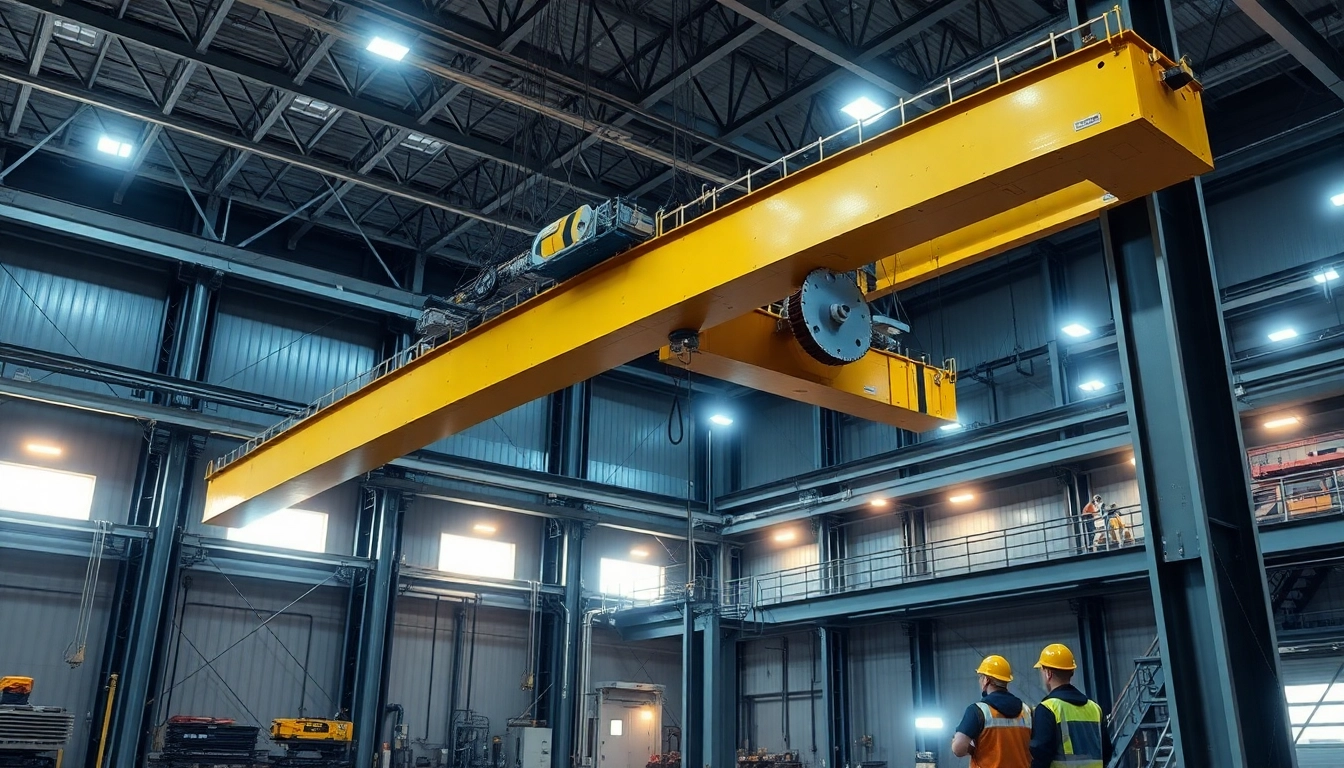
Understanding Double Girder Bridge Cranes
Double girder bridge cranes are vital in various industrial settings, particularly when heavy lifting capabilities are required. These cranes utilize a dual-girder system that provides a robust structure, making them ideal for lifting loads that exceed the capacity of single girder cranes. As industries evolve and demand increases for efficiency and reliability, understanding the functionality and advantages of double girder bridge cranes becomes essential. When exploring options, double girder bridge crane provides comprehensive insights into advanced lifting capabilities that meet modern industrial needs.
What is a Double Girder Bridge Crane?
A double girder bridge crane features two parallel girders that run along the span of the structure, providing a stable framework for the hoist. This design allows for greater lifting capacities and spans compared to single girder cranes. The hoist, which can either be a top-running or underhung design, moves along the lower flange of the girders, optimizing headroom and lifting height.
Key Components and Functionality
The main components of a double girder bridge crane include the girders, end trucks, hoisting mechanism, and control systems. The girders bear the load and provide stability, while the end trucks allow the crane to move along the runway. The hoist can be electrically or manually operated, depending on the application needs. Control systems can be sophisticated, featuring remote controls and safety mechanisms to prevent accidents.
Comparing Double Girder and Single Girder Cranes
When comparing double girder cranes to single girder cranes, the differences become evident. Single girder cranes consist of one horizontal beam with the hoist system suspended below, limiting their lifting capacity and span. In contrast, double girder cranes distribute the load more evenly across two beams, making them suitable for heavier and larger loads. This structural advantage allows for increased operational versatility, especially in environments requiring frequent lifting and moving of heavy materials.
Advantages of Double Girder Bridge Cranes
Increased Load Capacity
The primary advantage of double girder bridge cranes is their superior load capacity. These cranes can handle weights far exceeding 10 tons, making them essential in manufacturing, construction, and shipping industries where heavy lifting is routine. Their reinforced design supports the weight better, reducing wear and tear on the crane and increasing service life.
Enhanced Stability and Safety Features
Safety is paramount in any industrial operation, and double girder bridge cranes offer enhanced stability due to their construction. The dual-girder system provides a broader base, helping to mitigate the risks of tipping or swaying during operation. Many models also incorporate advanced safety features such as limit switches, emergency stops, and overload protection systems to ensure safe operation.
Operational Efficiency in Heavy Industries
In heavy industries, operational efficiency is critical for maintaining productivity. Double girder cranes facilitate smoother and faster operations, allowing for quicker turnaround times. Additionally, their ability to span greater distances without requiring additional support structures reduces installation complexities and related costs.
Factors to Consider When Choosing a Double Girder Bridge Crane
Weight Capacity and Span Requirements
When selecting a double girder bridge crane, understanding the specific weight capacity and span requirements is essential. Factors such as the maximum load the crane will handle, the span of the workspace, and any potential obstructions in the operational area will dictate the design and power requirements of the crane. Proper assessment ensures that the crane can accommodate operational demands without compromising safety or efficiency.
Material Selection and Durability
The material used in constructing double girder cranes significantly affects their durability and performance. Steel is the most common material due to its strength and resistance to deformation. However, the choice of material should also consider environmental conditions, such as humidity, temperature, and potential exposure to corrosive substances, which can impact the crane’s longevity.
Customization Options for Specific Applications
Many manufacturers offer customization options for double girder bridge cranes to suit specific application needs. Customers can choose from various hoist configurations, trolley types, and control systems. Additionally, features such as enclosed tracks can enhance performance in specific environments, making the crane more adaptable to various tasks.
Installation and Maintenance Best Practices
Professional Installation Guidelines
Proper installation is critical for the safe and efficient operation of double girder bridge cranes. It is advisable to engage professional installers who understand the complexities involved in the setup process. Factors such as alignment, leveling, and securing the necessary electrical connections all require expertise to ensure the crane performs as intended.
Regular Maintenance Routines
Implementing a regular maintenance schedule is essential for the operation of double girder cranes. Routine checks should include inspecting the hoist and trolley systems, lubricating moving parts, and examining electrical components for any signs of wear or malfunction. Regular maintenance not only prolongs the crane’s lifespan but also safeguards against operational disruptions.
Common Issues and Troubleshooting
Even with routine care, double girder cranes may encounter issues over time. Common problems include hoist malfunctions, electrical faults, and wear in the girders or wheels. Establishing a troubleshooting protocol can help operators quickly identify and rectify issues, minimizing downtime and ensuring continued productivity.
Future Trends in Double Girder Bridge Cranes
Technological Innovations and Automation
The future of double girder bridge cranes is poised for significant advancements, particularly with the introduction of automation and smart technologies. Integrating IoT sensors and AI can enhance operational efficiency by allowing real-time monitoring and predictive maintenance, thereby reducing unexpected failures and downtime.
Sustainability Practices in Crane Design
As industries become more environmentally conscious, sustainability practices in crane design are gaining traction. Innovations such as using recycled materials, energy-efficient motors, and eco-friendly coatings are becoming standard. These practices not only reduce the environmental footprint of manufacturing but also align with global sustainability goals.
Market Predictions for 2025 and Beyond
Looking ahead to 2025, the demand for double girder bridge cranes is expected to rise, driven by increased industrial activity and the need for efficient lifting solutions. Investments in infrastructure, manufacturing, and logistics will likely boost market growth, making cranes a critical component of future operations across multiple sectors.

