A parking robot can move a car into a storage bay after the driver exits. The hard part starts when that driver wants the car back quickly, safely, and without staff finding the machine’s fault.
Quick read
- Parking robots can use lifts, conveyors, or mobile platforms to place cars in tighter spaces.
- The useful measure is the full trip from payment or request to a ready car.
- Any buyer needs clear plans for power loss, blocked paths, damaged vehicles, and manual recovery.
How the system works
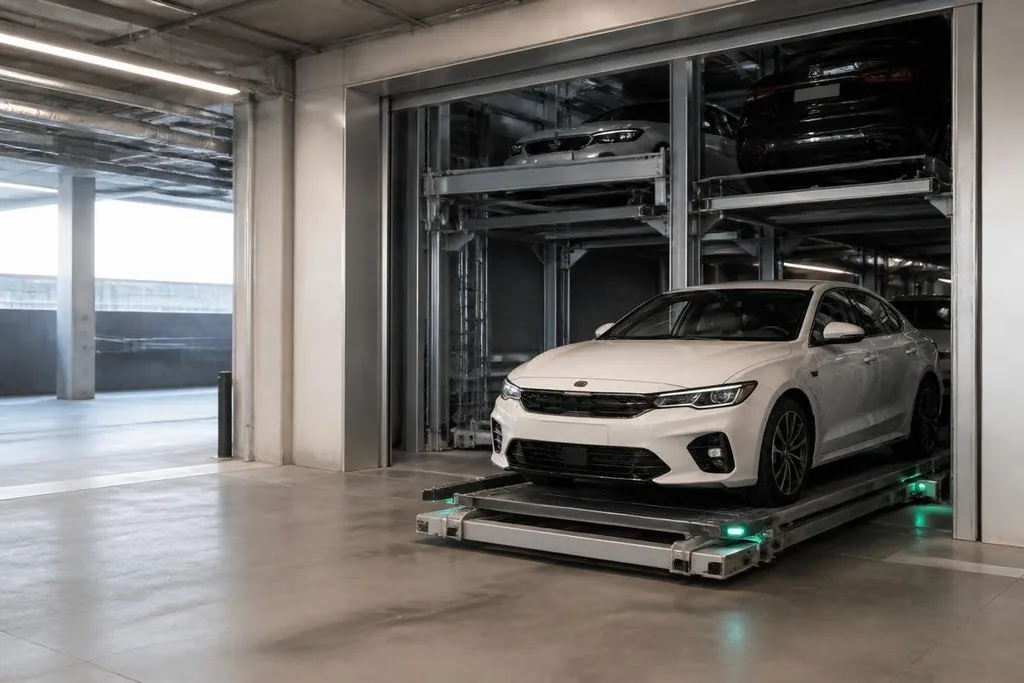
A driver leaves the car at an entry point. Sensors check its position, the system records the space it needs, and a lift or platform moves it into storage. Some designs carry the car on a pallet. Others move under the tires and drive the car into place.
That choice affects the whole building. A pallet system may keep the car still during storage, while a mobile platform needs clear routes and careful control of nearby vehicles. The parking structure also needs enough room for turning, loading, maintenance, and emergency access.
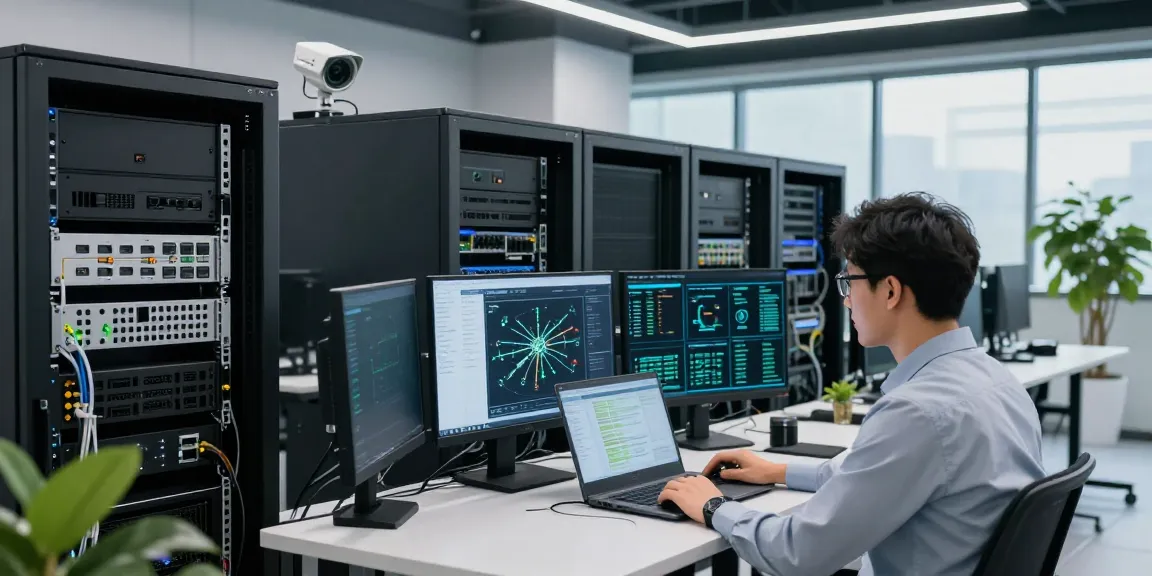
The control software keeps a record of each car’s location. It also checks sensor readings before moving equipment. A fault in that record can send staff to the wrong bay, so the system needs a clear manual method for finding and releasing a car.
Where the gains may come from
The main case for parking robots is space. If cars can sit closer together and the building needs fewer driving lanes, the same site may hold more vehicles. That can matter in dense areas where land and construction space limit a new car park.
The gain depends on the full layout, not the robot alone. Entry queues, charging points for electric cars, fire routes, ceiling height, drainage, and service access all shape the result.
A machine that saves floor space but creates a long loading queue has moved the problem rather than fixed it.
Retrieval time will decide how people judge the system. A car ready in a few minutes may suit a short visit. A longer wait can become a serious issue at shift changes, after events, or during a power fault. The operator needs to publish expected wait times and explain what happens when demand rises.
A parking robot also has to fit the building around it: ramp width, ceiling height, fire exits, and the route a worker takes to recover a stalled car. Parking operators can use parking robotics coverage to compare those physical limits with recorded tests before the hard problems begin.
The hard problems
Safety comes before storage density. The system must detect people, loose objects, open doors, roof boxes, and cars parked outside the allowed size or weight. It also needs a safe stop when a sensor fails or a person enters a restricted area.
Power loss needs its own plan. A site may need backup power, brakes that hold a platform in place, and a way for trained staff to remove cars by hand. The plan should say how long recovery takes and who can approve the work.
Weather and dirt can affect outdoor equipment. Water, grit, ice, and poor lighting can change what cameras and other sensors see. Indoor sites avoid some of these problems, but they still need regular checks on rails, motors, tires, doors, and safety sensors.
The business case has gaps too. A buyer needs the purchase price, building work, service cost, spare parts plan, software fees, and staff time. If the maker has not published those figures, the payback period remains unproven.
I'd skip any parking robot whose sales case ignores manual recovery and peak-hour retrieval.
What to ask before a pilot
Use this checklist before signing a contract:
- Measure retrieval: Record the promised time from a driver request to a car at the exit.
- Test blocked routes: Ask staff to handle a stopped platform, a bad sensor, and a car that exceeds the allowed size.
- Check access: Mark the entry, exit, fire routes, charging areas, and service paths on the building plan.
- Price the outage: Get the cost of backup power, emergency work, spare parts, and software after the first contract term.
- Set a service rule: Write down who responds to faults, how fast they arrive, and how cars are released.
A pilot should measure more than cars stored per square metre. It should record failed moves, staff callouts, wait times at busy periods, and the time needed to return the site to normal after a fault.
Parking robots have a place where land is tight and the building can support controlled vehicle movement. The next systems worth buying will be the ones that publish retrieval times and recovery steps, not the ones that promise a full car park without showing the work behind it.