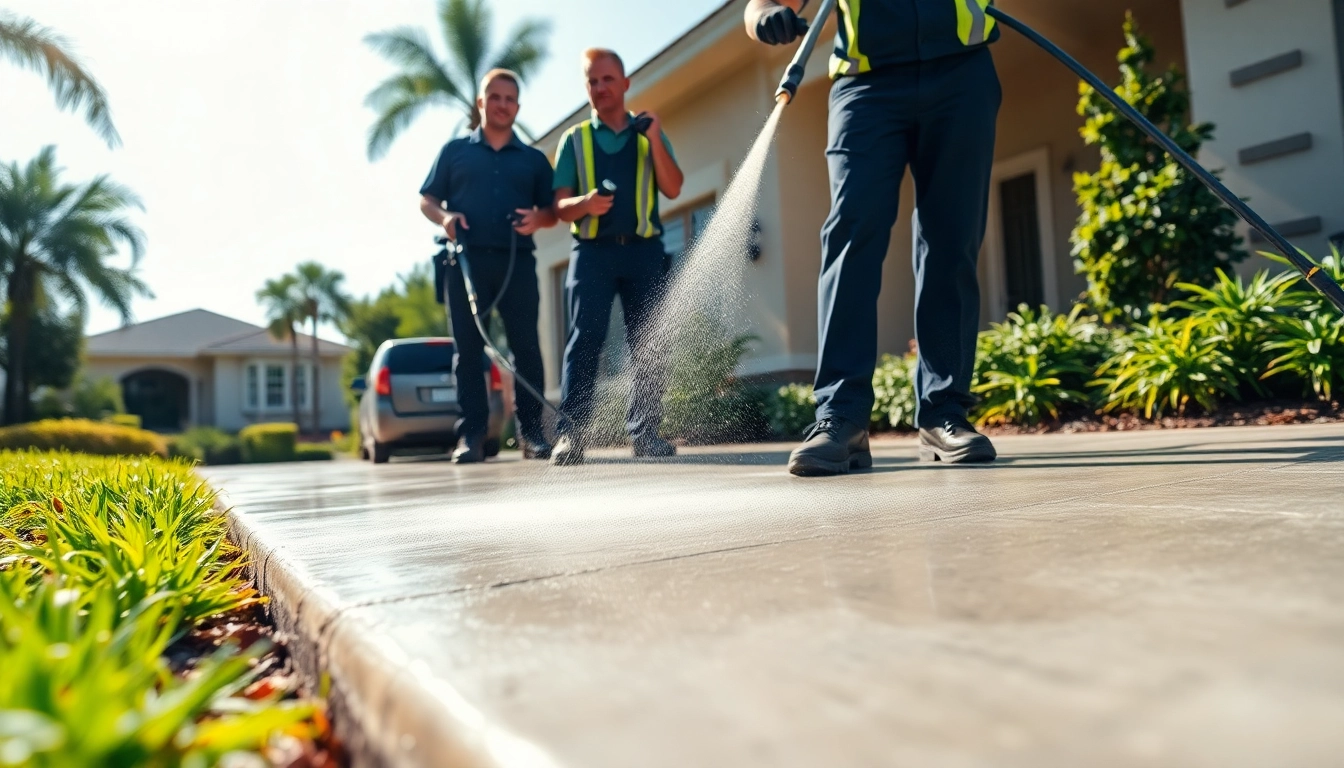
Understanding Concrete Cleaning Basics
Concrete cleaning is often overlooked by homeowners, yet it plays a crucial role in maintaining the aesthetic appeal and longevity of concrete surfaces. This process involves the removal of dirt, stains, and other contaminants that can accumulate over time, resulting in a worn and unkempt appearance. Regular concrete cleaning not only enhances curb appeal but also protects your investment by preventing damage that can arise from neglect. When exploring options, concrete cleaning services offer comprehensive insights into maintaining your surfaces effectively.
What is Concrete Cleaning?
Concrete cleaning refers to the process of removing dirt, stains, and other impurities from concrete surfaces using various techniques. These surfaces can range from driveways and patios to sidewalks and commercial spaces. The primary goal of concrete cleaning is to restore the original appearance of the surface, making it look appealing and well-maintained.
Why Concrete Cleaning is Essential for Homeowners
There are several compelling reasons why homeowners should prioritize concrete cleaning:
- Aesthetic Appeal: Clean concrete enhances the overall look of your property.
- Prevention of Damage: Regular cleaning prevents the buildup of mold, mildew, and stains that can damage surfaces over time.
- Safety: Cleaning removes slippery contaminants like algae, ensuring safer walking surfaces.
- Property Value: A well-maintained exterior can significantly boost the value of your property.
Common Types of Stains on Concrete Surfaces
Concrete surfaces can suffer from various types of stains, including:
- Oil and Grease: Commonly found in driveways and garages.
- Mold and Mildew: Often occurs in shaded areas with poor drainage.
- Rust: Caused by metal furniture or tools left on the surface.
- Food and Drink Spills: Can be sticky and attract pests.
Methods of Concrete Cleaning
High-Pressure Washing: Benefits and Drawbacks
High-pressure washing is a popular method for cleaning concrete. This technique uses powerful jets of water to remove dirt and stains effectively.
Benefits:
- Fast and efficient for large areas.
- Removes tough stains that other methods may not.
- Environmentally friendly when used with eco-safe detergents.
Drawbacks:
- May damage delicate surfaces if not handled properly.
- Not suitable for all types of stains, particularly those that are deeply embedded.
Soft Washing vs. Pressure Washing: Which is Right for You?
While pressure washing utilizes high-pressure water to remove dirt, soft washing employs low pressure and specialized cleaning solutions to safely clean delicate surfaces such as roofs and siding.
When to Use Each Method:
- Choose Pressure Washing: For tough stains on concrete driveways or patios.
- Select Soft Washing: For cleaning roofs or siding to avoid damage.
Eco-Friendly Solutions for Effective Concrete Cleaning
As environmental consciousness rises, many homeowners are seeking eco-friendly cleaning solutions. These methods can be as effective as traditional cleaning techniques while minimizing harm to the environment.
- Use biodegradable detergents that break down naturally.
- Opt for steam cleaning, which reduces the need for chemicals.
- Consider using vinegar or baking soda as natural cleaners for light stains.
DIY Concrete Cleaning Steps
Preparing Your Space for Cleaning
Before diving into the cleaning process, it's crucial to prepare the space adequately:
- Clear the area of furniture, plants, and any obstructions.
- Protect nearby plants and surfaces with tarps.
- Wear safety goggles and gloves for protection.
Tools and Equipment Needed for Effective Cleaning
Gather the following tools and equipment for DIY concrete cleaning:
- Pressure washer (or power washer)
- Stiff-bristle broom
- Concrete cleaner or eco-friendly detergent
- Bucket and hose
- Protective gear (gloves, goggles)
Step-by-Step Guide to Clean Concrete Surfaces
Follow these steps for effective concrete cleaning:
- Apply a Cleaner: Mix the concrete cleaner with water as per the instructions. Apply it generously to the surface.
- Scrub the Surface: Use a broom or scrub brush to agitate tough stains.
- Pressure Wash: Using a pressure washer, rinse off the cleaner starting at one end and moving to the other.
- Let it Dry: Allow the concrete to dry completely before replacing furniture or any other items.
Professional Concrete Cleaning Services
Choosing the Right Service Provider in Kissimmee
When opting for professional services, consider the following:
- Experience: Look for providers with a solid track record in concrete cleaning.
- Reviews: Check customer testimonials and ratings.
- Services Offered: Ensure they provide the specific cleaning services you need.
What to Expect from a Professional Concrete Cleaning
When hiring professionals, expect the following:
- Initial assessment of the concrete surface and type of stains present.
- High-quality cleaning equipment and eco-friendly cleaning solutions.
- Post-cleaning inspections to ensure customer satisfaction.
Cost Factors and Estimates for Concrete Cleaning Services
The cost of professional concrete cleaning varies based on several factors:
- Size of the Area: Larger areas typically cost more to clean.
- Type of Stains: Easily removable stains are less expensive to treat.
- Location: Costs may vary based on the regional market demand.
Future Trends in Concrete Cleaning
Emerging Technologies in Concrete Cleaning for 2025
As technology advances, new methods and tools are becoming available for concrete cleaning:
- Drone-Powered Cleaning: Drones equipped with cleaning attachments are being explored for large commercial spaces.
- Smart Cleaning Equipment: IoT devices that enable monitoring and managing cleaning processes remotely.
Predicted Best Practices for Concrete Maintenance
To maintain concrete surfaces effectively, homeowners can implement these best practices:
- Regular cleaning schedule to prevent stains and buildup.
- Immediate cleaning of spills to avoid permanent stains.
- Application of sealants to protect surfaces from future stains.
How Climate Change Affects Concrete Surfaces
Climate change poses potential risks to concrete surfaces, including:
- Increased temperatures contributing to faster wear and tear.
- Heavy rainfall and flooding leading to erosion and damage.
- Mold and algae growth in warmer, wetter conditions.