

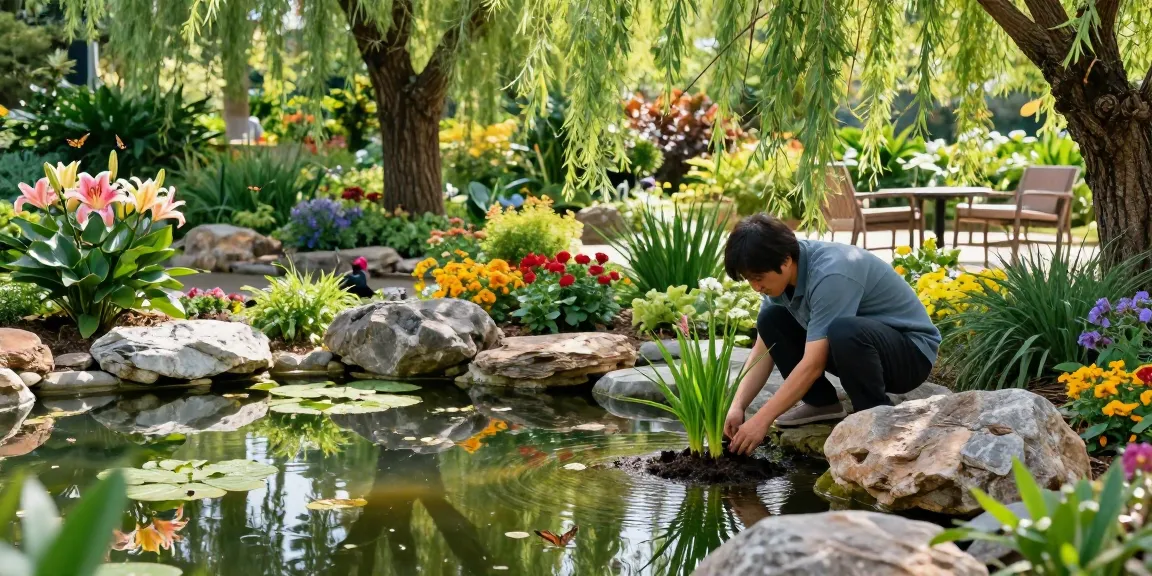
Understanding the Importance of Pond Plants
Pond plants play a crucial role in maintaining the health and balance of aquatic ecosystems. These plants not only beautify your garden but also support various wildlife, improve water quality, and enhance biodiversity. By understanding the significance of aquatic plants, you can create a thriving pond environment that benefits both flora and fauna. For those looking to enhance their water gardens, it’s easy to Buy Pond Plants Online from reputable sources, ensuring quality and variety suitable for your specific needs.
Why Aquatic Plants Matter for Ecosystems
Aquatic plants serve as the foundation of pond ecosystems. They provide oxygen through photosynthesis, which is crucial for the survival of fish and other aquatic organisms. Furthermore, they act as natural filters, absorbing excess nutrients and pollutants, which helps maintain clean water. These plants also serve as habitats and breeding grounds for various wildlife, including insects, amphibians, and birds, thereby enhancing the ecological balance.
The Benefits of Biodiversity in Your Pond
Diverse plant life in your pond contributes significantly to its overall health. A higher variety of aquatic plants can increase resilience against pests and diseases, as well as enhance aesthetic appeal. Biodiversity supports more complex food webs, allowing for a greater range of species to thrive. This can lead to the natural control of algae and other potentially harmful organisms, resulting in a more stable environment.
Common Types of Pond Plants to Consider
When selecting plants for your pond, consider incorporating a mix of submerged, emergent, and floating plants. Some popular choices include:
- Water Lilies – Beautiful and fragrant, these floating plants provide shade and shelter.
- Lotus – Known for their stunning flowers, lotus plants can thrive in deeper waters.
- Cattails – These hardy plants are excellent for erosion control and provide habitat to numerous species.
- Hornwort – A submerged plant that helps oxygenate water and absorbs excess nutrients.
- Pickerel Rush – With vibrant purple flowers, these emergent plants attract pollinators and are easy to care for.
How to Buy Pond Plants Online
Purchasing pond plants online can be an overwhelming experience due to the vast number of options available. To ensure you get the best value for your investment, it’s important to focus on several key areas when shopping.
Evaluating Online Retailers for Quality
When considering an online retailer for pond plants, it’s essential to assess the quality of their offerings. Look for sellers who specialize in aquatic plants and have positive customer reviews. Check their policies on plant health and guarantees, as reputable sellers will often provide assurances and detailed care information to help you succeed in planting.
Comparing Prices and Varieties Before Purchasing
Prices can vary significantly among online retailers. Before making a purchase, compare the types of plants available, their sizes, and associated costs. Some retailers may offer discounts or bundled deals that can save you money. Additionally, consider the specific plant requirements to ensure they will thrive in your pond’s unique environment.
Understanding Shipping and Plant Health
Shipping practices can greatly affect the condition of the plants upon arrival. Ensure that the retailer ships plants during appropriate weather conditions, and utilize secure packaging to prevent damage. Be wary of shipping times; longer transit can stress plants. Look for shops that offer expedited shipping and provide clear instructions for post-delivery care.
Best Practices for Planting Pond Flora
Successfully introducing plants to your pond requires attention to detail and consideration of their specific needs. Follow these best practices to ensure a flourishing aquatic garden.
Choosing the Right Location within Your Pond
Assess the sunlight exposure and depth of your pond when selecting plant locations. Some plants prefer full sun, while others thrive in shaded areas. Depth is also critical; ensure that submerged plants are planted below the frost line and that emergent plants have sufficient water to grow robustly.
Soil Preparation and Nutrient Requirements
Proper soil preparation is essential for plant health. Use aquatic soil that is rich in nutrients and specifically designed for pond plants. Avoid using regular garden soil, as it may contain harmful chemicals that can affect water quality. Incorporating slow-release fertilizers designed for aquatic settings can also support healthy growth.
Timing and Seasonal Considerations
Timing your planting is key to successful establishment. The best time to plant most aquatic flora is during the spring or early summer when the water temperature is rising. This timing aligns with the natural growth cycles of the plants, allowing them to establish roots before the cooler months.
Maintaining a Healthy Pond Environment
Maintaining your pond requires ongoing efforts to monitor and enhance the environment for both plants and animals.
Monitoring Water Quality and Balance
Regularly check water parameters such as pH, ammonia levels, and nutrient concentrations. Healthy water promotes vigorous plant growth and helps prevent problems such as algae blooms. Utilizing water test kits can simplify this process, allowing you to take corrective actions when necessary.
Controlling Algae and Other Common Issues
Algae can quickly become a problem in stagnant ponds, competing with your plants for nutrients and sunlight. To manage algae growth, encourage biodiversity among your pond plants. Implementing a proper planting density can also shade the water and reduce light penetration, deterring algae from proliferating.
Seasonal Care for Your Aquatic Plants
Each season requires specific care routines to keep your pond plants healthy. During winter, ensure that hardy plants are adequately submerged while removing dead or decaying foliage. As spring approaches, perform basic maintenance like replanting, thinning out overgrown spaces, and adding fresh nutrients to support renewed growth.
Exploring Future Trends in Pond Gardening
The world of pond gardening is evolving, with new trends shaping how enthusiasts approach their aquatic landscapes for 2026 and beyond.
Emerging Plant Varieties for 2026
As gardening trends shift, newer hybrid and native plant varieties are becoming increasingly popular. Innovations in breeding may yield more resilient plants that require less maintenance, and that can thrive in varying conditions. Keeping abreast of these varieties can provide unique options to enhance your pond’s beauty.
The Role of Technology in Pond Maintenance
Technological advancements are revolutionizing pond care, with smart monitoring systems that track water quality and automate filtration processes. These systems can alert gardeners to changes, making it easier to maintain a balanced ecosystem without constant manual checks.
Sustainable Practices for Eco-Friendly Gardening
As environmental awareness grows, sustainable gardening practices are gaining traction. Consider using native plants that require less water and fertilizers, and explore eco-friendly pest control options to minimize your pond’s ecological footprint. Implementing these sustainable practices can promote a healthier pond environment while also supporting local wildlife.
What are the benefits of buying pond plants online?
Buying pond plants online offers convenience and a wider selection than local stores. You can easily compare prices, read customer reviews, and often find unique varieties that may not be available nearby. Additionally, reputable online retailers usually provide detailed care information, making it easier to get started.
How do I choose the right pond plants for my garden?
Choosing the right pond plants involves considering your local climate, pond conditions, and aesthetic preferences. Start by evaluating sunlight, water depth, and the overall purpose of your pond—whether it is for wildlife, relaxation, or aesthetics. Consulting local gardening clubs or resources can also provide valuable insights.
What care do pond plants require throughout the year?
Pond plants require seasonal care adjustments. Ensure they are properly planted in the spring, monitor water quality in summer, and cut back dead foliage in autumn. Winter preparations might include checking water levels and ensuring that non-hardy plants are protected or removed before freeze conditions.
How do I maintain my pond’s ecosystem effectively?
Maintaining a healthy pond ecosystem involves monitoring nutrient levels, ensuring proper plant diversity, and managing algae. Regular maintenance tasks such as cleaning debris, adjusting plant populations, and checking animal populations will help maintain balance in the ecosystem.
What are the best online retailers for pond plants?
Researching online retailers can provide numerous options, but look for those with specialized aquatic plants and good customer reviews. Retailers who focus on sustainable practices and provide detailed care instructions can help ensure that you find the right plants for your pond.

