
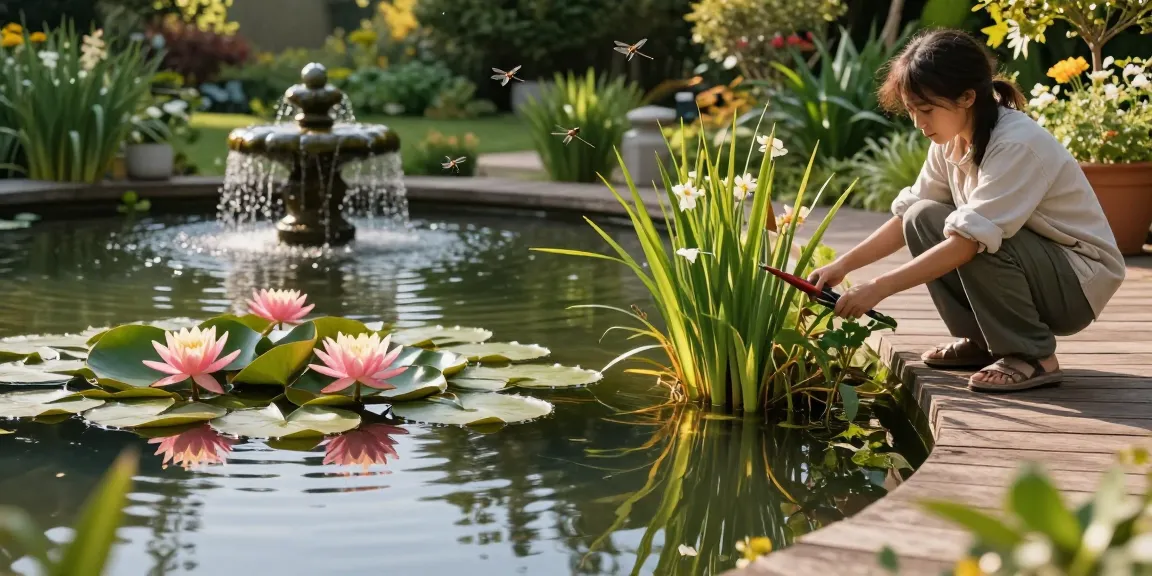
The Allure of Water Lilies in Garden Design
Water lilies, with their stunning blooms and tranquil presence, have captivated garden enthusiasts for centuries. Their elegant flowers and lush foliage add a touch of serenity and beauty to any pond or water feature. As aquatic plants, they thrive in still waters, making them perfect for creating vibrant, relaxing spaces in both residential and commercial landscapes. When exploring options, Water Lilies provide comprehensive insights into their varieties and benefits, helping you make informed choices for your garden.
Understanding Water Lilies’ Unique Aesthetics
Water lilies are renowned for their stunning visual appeal, offering a diverse palette ranging from whites and yellows to pinks, reds, and blues. Their distinctive floating leaves, known as pads, create a lush carpet on the water’s surface, while their blossoms rise above, creating a striking contrast. The interplay of light and shadow on these flowers contributes to their enchanting beauty, making them a focal point in garden design.
These plants also possess a certain mystical quality, often evoking feelings of tranquility and peace. Many garden designers utilize water lilies to enhance the aesthetics of ponds, creating picturesque scenes that encourage relaxation. Their unique shape and color variability allow for creativity in garden layouts, ensuring that each garden can reflect the owner’s personal style.
Benefits of Incorporating Water Lilies in Your Garden
Integrating water lilies into your garden offers numerous benefits beyond their aesthetic appeal. One significant advantage is their role in promoting biodiversity. Water lilies provide essential habitats for various wildlife, including amphibians, insects, and small fish, fostering a thriving ecosystem within your pond.
- Natural Filtration: Water lily pads help absorb excess nutrients and pollutants from pond water, improving its quality.
- Shade and Shelter: The pads provide shade for fish and other aquatic life, creating a cooler environment that helps prevent algae growth.
- Visual Interest: With blossoms that bloom at various times throughout the season, water lilies keep your garden vibrant and engaging.
- Stress Relief: The calmness of a water lily pond can serve as a serene retreat, aiding in relaxation and mental well-being.
Common Misconceptions About Water Lilies
Despite their popularity, several misconceptions surround water lilies. One common belief is that these plants are only suitable for large ponds. In reality, many varieties thrive in smaller water bodies, making them accessible for diverse garden sizes.
Another misconception is that water lilies require extensive maintenance. While they do have specific needs, such as proper sunlight and water depth, they are generally low-maintenance once established. Understanding the requirements of the specific varieties you choose will help dispel these myths and encourage successful growth.
Choosing the Right Type of Water Lily for Your Pond
Popular Water Lily Varieties for UK Gardens
The UK is home to several charming water lily varieties that flourish in the temperate climate, each offering unique characteristics. Some of the most popular include:
- Nymphaea ‘Marliac’: This variety is known for its vibrant pink blooms and broad pads, making it a striking addition to any pond.
- Nymphaea ‘White Spider’: With its luminous white petals and gentle fragrance, this water lily adds elegance and softness to your garden.
- Nymphaea ‘Desdemona’: Renowned for its striking bluish flowers and compact growth, it’s ideal for smaller pond spaces.
- Nymphaea ‘Attraction’: This popular choice features deep red flowers that create a bold visual impact against green foliage.
Factors to Consider When Selecting Water Lilies
When selecting water lilies for your pond, consider the following factors to ensure optimal growth and aesthetic appeal:
- Pond Size: Ensure the variety you choose is appropriate for the dimensions of your pond.
- Sunlight Requirements: Most water lilies thrive in full sun, but some varieties can tolerate partial shade.
- Water Depth: Different water lilies require varying depths of water; familiarize yourself with the needs of each variety.
- Color Preferences: Select colors that will complement your garden’s overall design and personal aesthetic.
Expert Tips for Sourcing Quality Water Lilies
To source quality water lilies, consider the following expert tips:
- Buy from Reputable Nurseries: Look for local nurseries that specialize in aquatic plants to ensure healthy specimens.
- Check for Disease Resistance: When purchasing, select plants that show no signs of disease or pest damage.
- Seasonal Timing: Early spring or late summer are ideal times to purchase water lilies for best planting success.
- Read Reviews: Customer reviews can provide insights into the quality of plants from specific suppliers.
Caring for Your Water Lilies: Best Practices
Essential Maintenance Tips for Healthy Growth
Proper care is crucial for the success of your water lilies. Follow these maintenance tips to ensure they thrive:
- Regular Fertilization: Use aquatic plant fertilizers to promote healthy growth during the growing season.
- Pruning Dead Leaves: Remove any dead or dying leaves to prevent disease and encourage new growth.
- Monitor Water Levels: Ensure water levels are adequate, especially during hot weather, to prevent stress to the plants.
Dealing with Pests and Diseases Affecting Water Lilies
Water lilies can be susceptible to various pests and diseases. Keep an eye out for:
- Aphids: These tiny pests can cluster on flower buds and leaves, sucking sap and damaging the plant.
- Powdery Mildew: A fungal disease that can appear as a white powder on leaves, it may be managed through proper spacing and airflow.
- Snails: While sometimes beneficial, certain snails can overfeed on plant material if their populations grow unchecked.
Optimal Environmental Conditions for Water Lilies
To create ideal conditions for your water lilies, consider:
- Sun Exposure: Strive for at least six hours of sunlight daily for optimal blooming.
- Water Temperature: Water lilies prefer temperatures between 20°C and 30°C (68°F to 86°F) for healthy growth.
- Water Quality: Regularly test and balance your pond’s pH, ideally between 6.5 and 7.5, for healthy water lilies.
Enhancing Your Pond with Additional Aquatic Plants
Companion Plants That Pair Well with Water Lilies
To create a vibrant and diverse ecosystem in your pond, consider complementing your water lilies with other aquatic plants:
- Water Hyacinth: This floating plant provides additional shade and blooms attractively on the water surface.
- Yellow Flag Iris: A hardy plant that adds vertical interest and provides a habitat for wildlife.
- Hornwort: A submerged plant that aids in water filtration and provides oxygen for aquatic life.
Creating a Balanced Ecosystem Around Your Pond
To enhance the health of your pond, establish a balanced ecosystem by integrating various plant types:
- Diverse Planting: Mix floating, submerged, and emergent plants to promote biodiversity.
- Natural Fish Population: Fish help control algae and pests, contributing to a healthier aquatic environment.
- Regular Maintenance: Keep an eye on plant health and remove excess debris to maintain a clean ecosystem.
Water Features and Aesthetic Enhancements
Consider adding decorative elements to improve the aesthetics of your pond:
- Fountains: These can provide movement and aeration to the water, enhancing the overall ambiance.
- Rocks and Boulders: Strategically placed rocks can create natural borders and habitats for wildlife.
- Lighting: Submersible lights can illuminate your water lilies at night, creating a magical atmosphere.
Future Trends in Pond and Garden Design
Innovative Uses of Aquatic Plants in Contemporary Gardens
As garden design evolves, innovative uses of aquatic plants like water lilies are emerging. Gardeners are increasingly focusing on creating multifunctional spaces that serve both aesthetic and ecological purposes. This shift encourages the integration of water features into patios and urban settings, where smaller water lilies can provide relief and beauty in limited spaces.
Predictions for Garden Aesthetics in 2026
Looking ahead to 2026, we can anticipate a rise in eco-conscious gardening practices. Water lilies will play a pivotal role in this movement, as gardeners seek to create sustainable landscapes that prioritize biodiversity and environmental health. The trend of ‘rewilding’ spaces may also influence the use of water lilies, as they contribute to more naturalistic environments.
How Climate Change Will Influence Aquatic Gardening
Climate change will undoubtedly impact aquatic gardening practices, necessitating adaptations in plant selection and care. As temperatures rise, gardeners will need to consider water lily varieties more resilient to heat and changing water conditions. Additionally, understanding water conservation techniques will become vital in maintaining pond health and ensuring the longevity of these beautiful plants.
What are the ideal conditions for growing Water Lilies?
The ideal conditions for growing water lilies include full sun exposure for at least six hours a day, water temperatures between 20°C and 30°C, and a balanced pH of 6.5 to 7.5. Proper water depth is also crucial, as different varieties require varying levels. Ensuring these conditions will result in vibrant blooms and healthy foliage.
Can Water Lilies survive winter conditions?
Yes, many water lily varieties can survive winter conditions, particularly when properly prepared. In temperate climates, it is advisable to lower the pots into deeper water where they won’t freeze, or remove them and store them in a cool place until spring. Always check the specific needs of the variety you are cultivating.
How do I propagate Water Lilies?
Water lilies can be propagated by dividing their rhizomes. During the growing season, carefully remove the plant from the water, divide the rhizomes into sections with at least one or two growing tips, and replant them at the appropriate depth in your pond.
What pests should I watch out for with Water Lilies?
Common pests that may affect water lilies include aphids, snails, and spider mites. Regular monitoring and maintenance can help to prevent infestations and maintain plant health.
How can Water Lilies improve pond ecosystems?
Water lilies improve pond ecosystems by providing shade, shelter, and habitat for aquatic wildlife, reducing algae growth, and naturally filtering water, leading to healthier water conditions for all pond inhabitants.